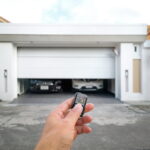
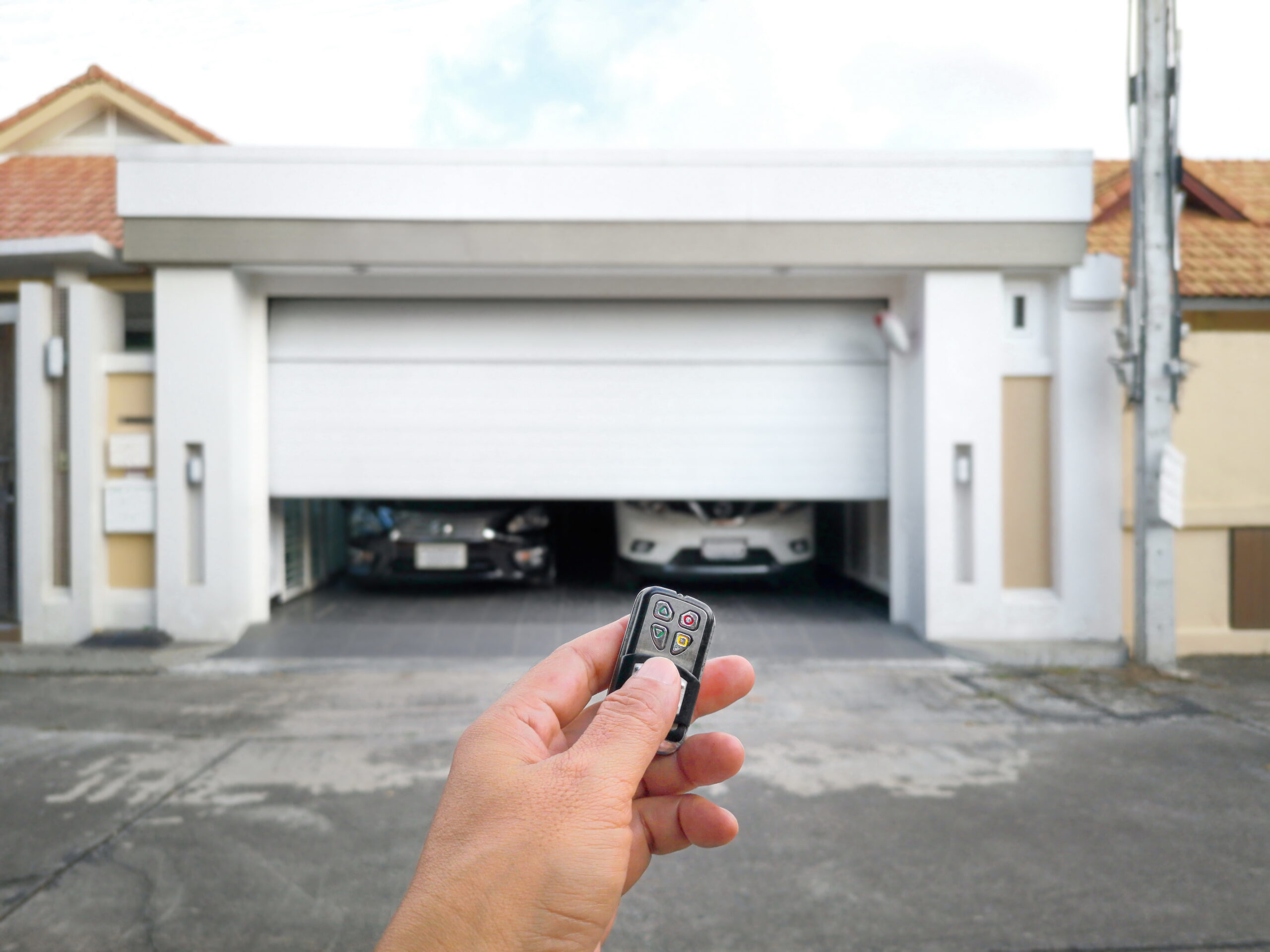
A garage door remote is something many homeowners use every day without giving it much thought. When it suddenly stops working, it can quickly become frustrating and inconvenient. In some cases, the issue may be simple and easy to fix, while other situations may require professional inspection or repairs.
Understanding some of the most common causes behind remote problems can help homeowners identify what may be affecting their garage door system.
Dead or Weak Batteries
One of the most common reasons a garage door remote stops working is a weak or dead battery. Over time, batteries lose power, especially in colder temperatures or with frequent use. Signs of a failing battery may include:
- Reduced operating range
- Delayed door response
- Inconsistent performance
- Complete lack of response
Replacing the battery is often the first and simplest troubleshooting step.
Signal Interference
Garage door remotes rely on radio frequency signals to communicate with the opener. Nearby electronic devices or environmental factors may sometimes interfere with that signal. Potential sources of interference may include:
- Wi-Fi routers
- LED light bulbs
- Nearby radio equipment
- Power lines
- Other remote-controlled devices
If the remote only works intermittently or at very close range, signal interference may be contributing to the issue.
Remote Needs Reprogramming
Sometimes the remote loses its connection to the garage door opener and requires reprogramming. This may happen after:
- Power outages
- Battery replacement
- Electrical surges
- Opener resets
Most garage door systems have a learn or sync button that allows the remote to reconnect to the opener. The exact steps vary depending on the manufacturer and model.
Damaged Remote Buttons
Garage door remotes experience regular wear over time. Repeated use may cause internal buttons or electrical contacts to wear down or stop functioning properly. Common signs of physical remote damage include:
- Sticky buttons
- Cracked casing
- Loose internal parts
- Buttons that no longer click properly
In some situations, replacing the remote may be more practical than attempting repairs.
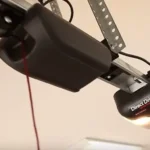
Garage Door Opener Issues
The problem may not always be with the remote itself. Sometimes the garage door opener unit is the source of the issue. Possible opener-related problems include:
- Faulty receiver systems
- Electrical wiring issues
- Damaged circuit boards
- Sensor malfunctions
If wall-mounted controls also stop working, the opener may need professional inspection.
Sensor Alignment Problems
Garage door safety sensors play an important role in the system’s operation. If the sensors are blocked, dirty, or misaligned, the opener may prevent the door from functioning correctly. Signs of sensor issues may include:
- Flashing opener lights
- Door reversing suddenly
- Door refusing to close
Cleaning the sensors and ensuring they are aligned properly may sometimes restore operation.
Extreme Weather Conditions
Temperature changes and moisture exposure can affect both remotes and garage door systems. Cold weather may weaken batteries faster, while humidity or water exposure can damage electronic components.
Seasonal weather changes sometimes contribute to temporary remote performance issues.
Worn Garage Door Components
In some cases, the remote appears to stop working when the real problem is mechanical resistance within the garage door system itself. Worn components such as:
- Springs
- Tracks
- Rollers
- Hinges
may place extra strain on the opener and affect operation. Unusual noises or jerky movements may indicate that the system needs maintenance.
Reliable Garage Door Service When You Need It!
Sam’s Garage Doors provides garage door repair, maintenance, and installation services for residential properties. Whether you are dealing with remote issues, opener malfunctions, or general garage door concerns, our team offers solutions designed to keep garage door systems operating smoothly.