A garage door that refuses to open can create stress, especially when you are in a hurry. The good news is that most issues have simple explanations, and many can be checked before calling a professional for garage door repair. Understanding the common causes can help homeowners feel more prepared and identify when a problem requires expert attention.
1. Start by Checking the Power Source
It may seem obvious, but power interruptions are among the most common reasons garage doors stop working. Ensure that the opener is plugged in and the outlet is functioning. If the circuit breaker has tripped, reset it to restore power. Garage door openers rely entirely on electrical connectivity, so even minor disruptions can prevent the system from responding.
2. Inspect the Remote Control and Wall Switch
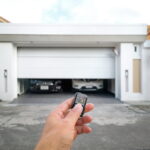
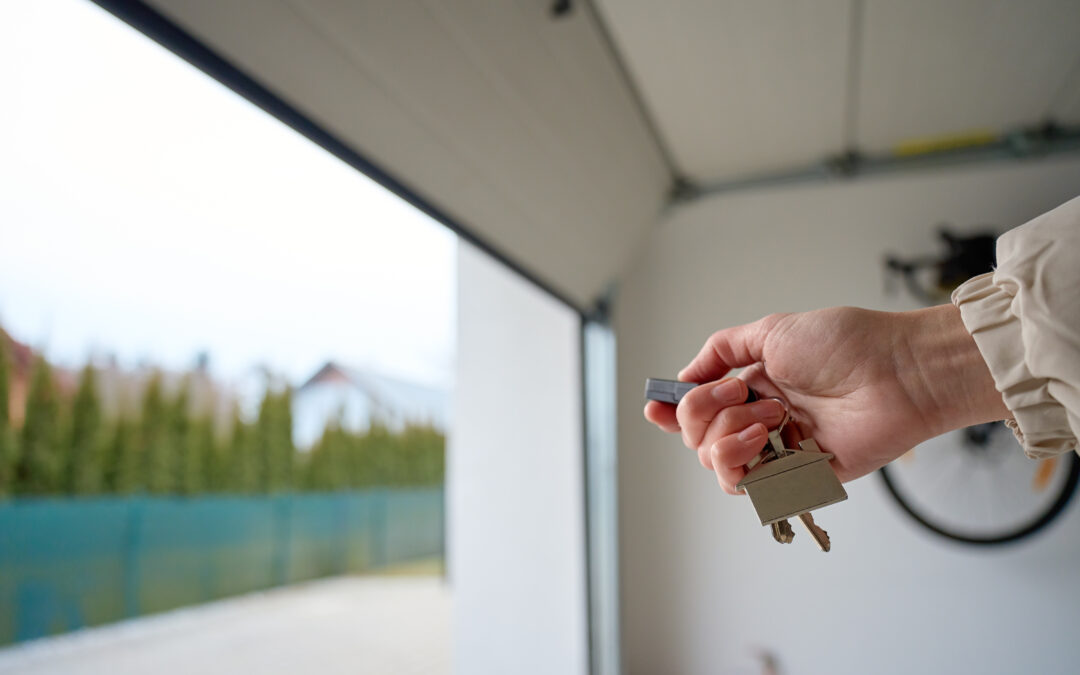
If the door does not respond to the remote but works with the wall switch, the issue may be due to dead batteries, a misaligned sensor in the remote, or programming glitches. Replacing the batteries is a quick first step. If the remote still fails, reprogramming it according to the manufacturer’s instructions may help.
When both the remote and the wall switch fail, it may indicate a deeper electrical issue in the opener system that may require professional assessment.
3. Look for Blocked or Misaligned Sensors
Modern garage doors include safety sensors located near the floor on each side of the track. If these sensors are blocked, dirty, or misaligned, the door will not close properly and sometimes will not open either. Wipe the sensor lenses with a soft cloth and ensure both are aligned at the same height. If the indicator lights on the sensors are blinking, alignment is the likely issue.
4. Examine the Tracks and Rollers
Over time, tracks can shift slightly or develop debris buildup. When this happens, the door may struggle to move smoothly or stop altogether. Inspect the tracks to ensure they are free of obstacles.
A gentle cleaning and removal of dirt, leaves, or small objects can significantly improve movement. If the tracks appear bent or misaligned, this can strain the door system and often requires professional garage door repair to prevent further damage.
Rollers can also wear out or dry up. Applying a silicone-based lubricant can improve motion, but if rollers appear cracked or unstable, a technician may need to replace them.
5. Check the Springs
Garage door springs are responsible for counterbalancing the door’s weight. When a spring breaks, the door becomes too heavy to lift, even manually. Springs wear down with regular use, and a broken spring is one of the most common reasons a door will not open.
Inspecting springs from a safe distance can reveal whether one has snapped. If so, avoid attempting to lift the door or fix the spring yourself. Spring replacement is dangerous and should only be handled by trained technicians.
6. Assess the Manual Release
The manual release allows homeowners to disconnect the opener and lift the door manually during emergencies. If the release is accidentally pulled, the opener will run, but the door will remain still. Reattaching it is usually simple: pull the cord again while the door is in the correct position. If the door still does not reconnect, a technician can quickly restore the mechanism.
Need Reliable Help? Sam’s Garage Door Is Ready to Assist!
If your garage door still will not open or you notice worn parts, unusual sounds, or irregular movement, professional support may provide the safest and most efficient solution. Sam’s Garage Door offers dependable service for homeowners who want their garage doors to operate confidently and securely.